Is it safe to walk around Inner Harbor, Baltimore?
Generally yes. The Inner Harbor is one of Baltimore's safer, most-visited zones. The honest picture on crime, precautions, and the safest way on the water.
 By Daniel Brooks, Baltimore Inner Harbor cruise specialist and waterfront guide
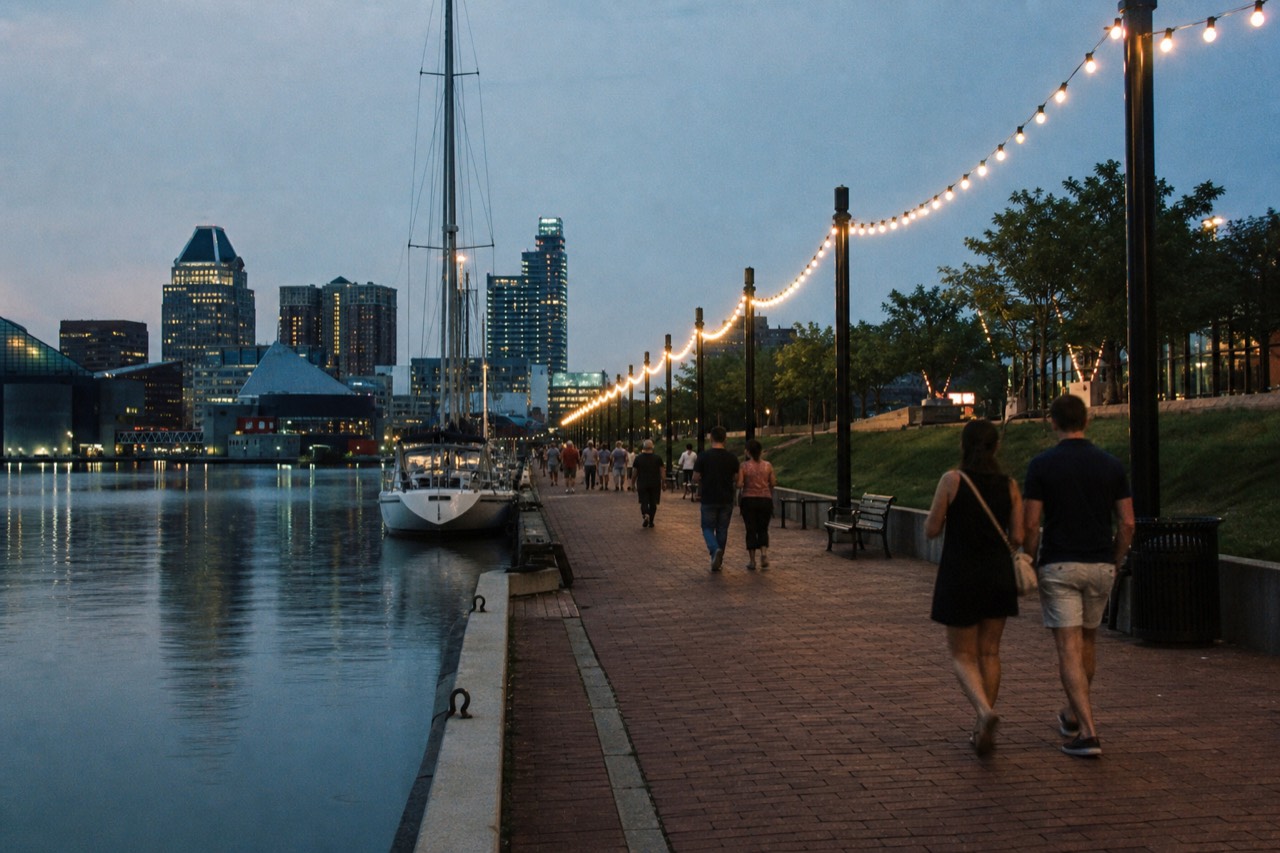
Baltimore's reputation walks into the room before the city does, and the Inner Harbor carries the weight of it. The reality on the promenade is calmer than the headlines: a wide brick walkway busy with families, joggers and tour groups, well lit at night, patrolled, with the water on one side and the shops on the other. That does not mean you switch your city sense off. It means the honest answer is more reassuring than most first-time visitors expect.
Is it safe to walk around Inner Harbor, Baltimore?
Generally, yes. The Inner Harbor is regarded as one of Baltimore's safer, most visitor-friendly zones, with heavy foot traffic, police presence and good lighting, especially in daytime and peak hours. Safety analyses grade it around a B-plus and rate it roughly 8.5 out of 10 for tourists. Standard city precautions still apply, particularly after dark and in quiet parking areas.
The key is separating the tourist basin from the wider city. Citywide crime numbers are what fuel Baltimore's reputation, and they are real, but the Inner Harbor is a concentrated, watched, well-trafficked pocket that behaves differently from an isolated block at midnight. Treat it the way you would any busy waterfront in a big city and you will almost certainly have an ordinary, pleasant walk.
How safe is the Inner Harbor compared to the rest of Baltimore?
Safer than most of the city. One neighborhood analysis grades the Inner Harbor around a B-plus, calling it safer than roughly two-thirds of Baltimore neighborhoods, with a tourist safety score near 8.5 out of 10. Citywide, Baltimore Police reported homicides down about 23 percent in the first half of 2026 versus 2025, part of a broader multi-year decline.
The gap between the harbor and the headlines comes down to context. Property and violent crime indices for the immediate area still sit above national averages on paper, but the sheer volume of people, the lighting and the patrols moderate the day-to-day experience for a visitor sticking to the waterfront. The mid-year figures from the Baltimore Police Department point the same direction the tourist ratings do. For general trip planning, the official Visit Baltimore site is a good sanity check on what is open and busy.
| Situation | How it rates | Sensible move |
|---|---|---|
| Promenade, daytime | Safest, heavy foot traffic and patrols | Walk freely, normal awareness |
| Promenade, after dark | Still well lit and busy in peak season | Stay on the main walkway, mind belongings |
| Parking garages and side streets | Quieter, less watched | Park central, keep the car empty and locked |
| On a cruise boat | Coast Guard rules, licensed captain | Book a seat, follow the crew's briefing |

What precautions make sense at the Inner Harbor?
The ordinary ones for any busy urban waterfront. Stay on the main promenade after dark, where the lighting and crowds are, rather than cutting through empty side streets or isolated corners. Keep your phone and wallet secure in crowds, don't leave valuables visible in a parked car, and stay aware in quieter parking structures. Nothing exotic, just city habits.
Most visitor incidents in any tourist district are opportunistic, not violent: a bag left on a bench, a phone loose on a crowded rail, a car with a backpack on the seat. The Inner Harbor's density actually works in your favor here, because you are rarely alone. If you are out late, the busiest stretch runs between the Aquarium, Harborplace and the Science Center, and that is where you want to be. Peripheral areas and the walk back to a distant garage are where ordinary caution earns its keep.
Is the water itself safe, and are the cruises safe?
Yes, with two honest caveats. The cruises run under U.S. Coast Guard rules: a licensed captain, an inspected vessel, and life jackets for everyone aboard, and every cruise on this site offers a full refund or reschedule if weather forces a cancellation. The water itself is fine to be on, though not to swim in, and on hot or post-storm days it can look or smell off.
Take the water quality first, because it surprises people. The Inner Harbor gets recurring summer algae blooms that turn the water bright green with a sulfur smell, plus bacteria advisories within a day or two of heavy rain. It is not a closure and it does not affect a cruise, but on a muggy August afternoon the basin can look less than postcard-perfect, and swimming is not recommended anyway given the boat traffic. On the boats themselves, the safety culture is serious for a real reason: the 2004 Lady D water-taxi capsizing in a sudden squall near Fort McHenry took five lives and reshaped Coast Guard rules, which is why captains here watch the sky and will cancel a sailing rather than push into a thunderstorm.
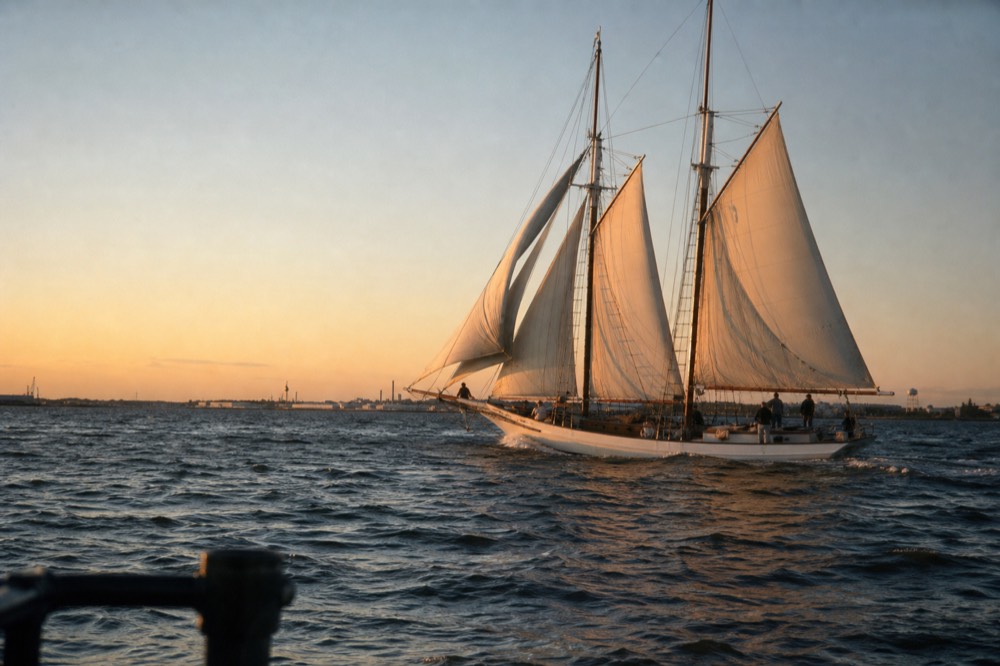
That caution is a feature, not a warning. A booked cruise on a licensed boat is one of the safest, calmest ways to experience the harbor, above the crowds and away from the parking-lot worries entirely. The Watermark sunset cruise is the evening pick, about an hour under sail with the skyline coming on, rated 4.5 across 26 reviews, its price on the listing, and you can check the sunset cruise dates and the live price when you plan the evening.
For daytime, the narrated 45-minute loop covers the same landmarks under the same Coast Guard rules for $34, rated 4.8 across 267 reviews, an easy, contained way to see the harbor with kids in tow, and you can see the loop's dates just as easily.
If you are still weighing whether the trip is worth it at all, is the Inner Harbor worth visiting makes the case plainly, and if a bridge or construction rumor is part of the worry, is the Inner Harbor closed settles it. For the itinerary itself, the things-to-do shortlist and the top Inner Harbor picks map out a day, and the full harbor-sightseeing lineup sits on the homepage.
Frequently asked questions
Is it safe to walk around Inner Harbor, Baltimore?
Generally, yes. The Inner Harbor is one of Baltimore's safer, most visitor-friendly zones, with heavy foot traffic, police presence and good lighting, graded around a B-plus and rated near 8.5 out of 10 for tourists. Use normal city precautions, especially after dark and in quiet parking areas, and a waterfront walk is very likely to be uneventful.
Can you walk around Inner Harbor, Baltimore, at night?
Yes, and many visitors do. The main promenade between the Aquarium, Harborplace and the Science Center stays lit and busy into the evening in peak season. Stick to that stretch rather than cutting through empty side streets, keep your belongings secure, and give a little extra thought to the walk back to a distant parking garage.
Is Baltimore's Inner Harbor safe for families?
Yes. The Inner Harbor is widely regarded as family-friendly, with a busy promenade, major attractions like the National Aquarium and USS Constellation, and high visibility. Daytime and early evening in peak season are the easiest times with kids, and a booked harbor cruise keeps a group together and away from traffic entirely.
Is the water in the Inner Harbor clean?
It varies. The Inner Harbor gets recurring summer algae blooms that turn the water green with a sulfur smell, plus bacteria advisories within a day or two of heavy rain. It is fine to cruise on, but swimming is not recommended given both the intermittent pollution and the boat traffic. On hot or post-storm days the basin can simply look and smell off.
Are Baltimore harbor cruises safe?
Yes. The cruises run under U.S. Coast Guard rules, which means a licensed captain, an inspected vessel and life jackets for everyone aboard. Captains monitor the weather closely and will cancel for thunderstorms or high wind rather than risk it, and every cruise on the site offers a full refund or a reschedule if a sailing is called off for weather.